Restoring Strength and Shape to Damaged Teeth
A tooth that has been weakened by decay, a large filling, or a crack cannot always be restored with a simple filling alone. A dental crown fits over the entire visible portion of the tooth, acting like a protective cap that restores strength, shape, and function while covering the tooth all the way to the gumline. Crafted from durable materials and matched closely to your natural tooth shade, a well-made crown blends into your smile so seamlessly that most people would never guess it is there. Patients throughout Prairieville and the surrounding Baton Rouge area rely on crowns to protect teeth that would otherwise be at risk of further damage or even loss.
Schedule a Crown ConsultationWhen a Crown Is the Right Solution
A crown may be recommended for a variety of situations, including:
- A tooth with a large cavity that is too extensive for a standard filling
- A cracked, fractured, or severely worn tooth in need of added support
- A tooth that has recently undergone root canal treatment
- Anchoring a dental bridge to replace one or more missing teeth
- Covering a dental implant to complete the restoration
- Improving the shape or appearance of a tooth with significant cosmetic concerns
If your tooth falls into one of these categories, a crown may offer the most reliable, long-lasting solution available.
Types of Dental Crowns
Crowns can be crafted from several different materials, each offering its own balance of strength and appearance. All-porcelain and all-ceramic crowns are popular for their natural, tooth-like translucency, making them a common choice for front teeth where appearance matters most. Zirconia crowns bring exceptional strength and durability, making them well suited for back teeth that handle heavy chewing forces throughout the day.
Porcelain-fused-to-metal crowns combine a metal substructure with a porcelain outer layer, offering a dependable option that pairs strength with a natural-looking finish. During your consultation, we can help determine which material best fits the location of your tooth and your priorities for the final result.
Getting a Custom Crown at Smart Dental Care
Placing a dental crown typically involves a few key stages, whether your crown is fabricated in a dental lab or created using in-office technology.
Exam and Preparation
The tooth is examined, numbed, and any decay or damaged structure is removed to prepare a clean, stable foundation.
Tooth Reshaping
The tooth is gently reshaped to create enough clearance for the crown to fit naturally over it without feeling bulky or uneven.
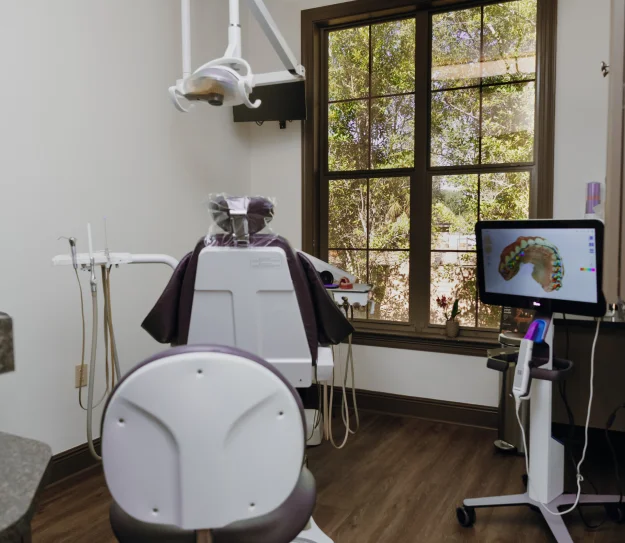
Impressions or Digital Scanning
Detailed impressions or digital images of your tooth are captured to guide the exact shape and fit of your custom crown.
Temporary Crown Placement
A temporary crown is placed to protect the prepared tooth while your permanent crown is being fabricated.
Crown Fabrication
Your custom crown is crafted to match the shape, size, and shade of your natural teeth, whether by a dental lab or through in-office milling technology.
Final Placement and Bonding
Once ready, the crown is checked carefully for fit and bite before being permanently bonded into place.
Benefits of a Custom Dental Crown
A dental crown does more than cover a damaged tooth. It provides dependable protection while helping restore a natural appearance and comfortable daily function.
- Reinforces weakened teeth: A crown surrounds the visible tooth structure and helps reduce the risk of further cracking or breakage.
- Restores comfortable chewing: The custom shape helps the tooth handle normal biting and chewing forces again.
- Blends with surrounding teeth: Ceramic and porcelain materials can be selected to complement the shade and contours of nearby teeth.
- Protects after major treatment: Crowns can safeguard teeth with large fillings, extensive decay, or root canal treatment.
- Supports other restorations: A crown may anchor a dental bridge or serve as the final restoration placed on a dental implant.
- Provides lasting function: With consistent brushing, flossing, and routine exams, a crown can protect a treated tooth for many years.
Caring for Your New Crown
A dental crown is designed for long-term function, and consistent care can help protect it for years. Brush and floss around the crown just as you would natural teeth, paying close attention to the gumline where plaque can collect. Avoid chewing on ice, pens, or other hard objects that could chip or crack the restoration. If teeth grinding is a concern, wearing a nightguard can help limit excess pressure on the crown.
Routine cleanings and exams allow the Smart Dental Care team to monitor the crown and surrounding gum tissue. Contact us promptly if you notice looseness, lasting sensitivity, or discomfort around the restored tooth.
Protect Your Tooth Before It Gets Worse
A damaged tooth rarely improves without treatment. Schedule a visit with Smart Dental Care in Prairieville to find out whether a crown can restore your tooth’s strength and appearance.
Request AppointmentFrequently Asked Questions About Dental Crowns
With proper care, dental crowns typically last ten to fifteen years or longer, depending on the material used and daily habits like grinding or chewing on hard objects.
The tooth is numbed before preparation, so most patients feel little to no discomfort during the procedure. Some mild sensitivity is normal for a short time afterward.
Crowns can be made from porcelain, all-ceramic material, zirconia, or a combination of porcelain and metal, each offering a different balance of strength and natural appearance.
It is uncommon, but a crown can loosen over time due to decay underneath it or issues with the bonding cement. If your crown feels loose, contact our office as soon as possible.
Yes, crowns and caps refer to the same restoration. Both terms describe a custom-fitted covering placed over a damaged or weakened tooth.
Many teeth need a crown after root canal treatment, particularly back teeth, since the procedure can leave the tooth more brittle and in need of added protection.
Many dental insurance plans provide at least partial coverage for crowns when they are considered medically necessary. Our team can help verify your specific benefits.
A crown is typically recommended when too much of the natural tooth structure is missing or damaged for a filling to provide adequate strength and support.