An Extra Layer of Protection Against Cavities
The chewing surfaces of your back teeth are covered in tiny grooves and pits that are nearly impossible to clean completely, no matter how carefully you brush. Food particles and bacteria settle into these narrow spaces, and over time, that buildup can turn into decay before it is ever visible to the naked eye. Dental sealants solve this problem by sealing off those grooves before cavities have the chance to form. At Smart Dental Care, we offer sealants to patients across Prairieville and the surrounding Baton Rouge area as a simple, preventive step that pairs naturally with routine cleanings and exams.
Sealants are especially valuable on molars and premolars, the teeth that do the most work chewing and are hardest to reach with a toothbrush. The treatment takes only minutes per tooth, requires no drilling or anesthesia, and can meaningfully lower your risk of cavities in the treated teeth for years afterward.
Schedule Sealants ConsultationHow Sealants Work
A dental sealant is a thin, tooth-colored resin coating applied directly to the chewing surface of a tooth. Once it is placed and hardened, the sealant acts as a physical barrier, keeping food and bacteria from settling into the tiny grooves where cavities most often start. Because the material bonds directly to the enamel, it stays in place through normal chewing and daily brushing without interfering with your bite. Sealants do not replace good oral hygiene, but they add meaningful protection in exactly the spots where a toothbrush struggles to reach.
Are Sealants Only for Kids?
Sealants are best known as a treatment for children, since newly erupted permanent molars are especially cavity-prone and benefit the most from early protection. That said, they are not limited to younger patients. Sealants can be a smart option for:
- Children and teens getting their first and second sets of permanent molars
- Adults with deep grooves or pits who have a history of cavities in those teeth
- Patients without any current fillings in a molar who want to prevent future decay
- Anyone looking for extra protection alongside regular cleanings and fluoride treatment
If you are unsure whether sealants make sense for you or your child, our team can take a look during your next visit and let you know.
Getting Sealants Placed at Smart Dental Care
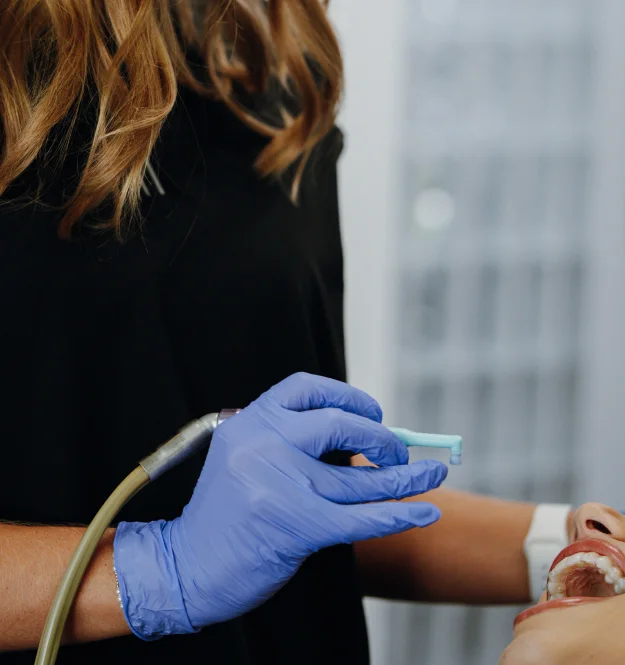
Placing a sealant is one of the fastest, most comfortable treatments we offer, and most patients are surprised by how simple the process actually is.
Cleaning the Tooth
The tooth surface is thoroughly cleaned and dried to make sure the sealant can bond properly.
Preparing the Surface
A mild acidic gel is applied briefly to slightly roughen the enamel, which helps the sealant adhere securely.
Rinsing and Drying
The gel is rinsed away and the tooth is dried again, keeping the surface free of any moisture during application.
Applying the Sealant
The liquid resin is painted directly onto the grooves of the tooth, flowing into the pits where cavities typically begin.
Curing the Material
A special curing light hardens the sealant in seconds, bonding it firmly to the tooth so it is ready for immediate use.
Caring for Sealants
A few everyday habits can help your sealants hold up better over time and delay the need for reapplication. Consider the following:
- Avoid chewing on ice, pens, or other hard objects that can chip or crack sealants
- Keep up with regular brushing and flossing to protect the surrounding tooth structure
- Mention any jaw clenching or teeth grinding, since a nightguard may help protect sealants
- Attend routine cleanings and exams so any wear is caught and addressed early
- Limit excessive sugary or sticky snacks, which can stress the edges of a sealant over time
How Long Do Sealants Last?
Sealants are durable, but they are not necessarily permanent. With normal wear from chewing, most sealants hold up well for several years before they show signs of thinning or chipping. Because of this, our team checks the condition of your sealants at your routine cleanings and exams, watching for any areas that may need to be touched up or reapplied. If a sealant does wear down over time, replacing it is just as quick and simple as the original application.
Help Protect Hard—to—Reach Back Teeth
Sealants are one of the easiest ways to lower your family’s risk of cavities in the teeth that are hardest to keep clean. Ask about sealants at your next visit to Smart Dental Care in Prairieville.
Request AppointmentFrequently Asked Questions About Dental Sealants
No. Applying a sealant does not require drilling, numbing, or any anesthesia. Most patients feel little more than the mild taste of the gel and resin during the process.
A single sealant typically takes just a few minutes to apply, and most patients have multiple teeth sealed in one short visit without any added recovery time.
Many dental insurance plans cover sealants, particularly for children, since they are considered a preventive treatment. Our team can help verify your specific benefits before your visit.
Adults can benefit from sealants too, especially on molars with deep grooves or a history of cavities. Age alone does not determine whether sealants are a good fit.
Sealants typically last several years with normal wear, though this varies by patient. Regular checkups allow our team to monitor their condition and reapply them if needed.
No. Sealants add an extra layer of protection, but they work best alongside consistent brushing, flossing, and routine dental visits, not as a replacement for them.
Yes. Sealants harden immediately under the curing light, so there are no dietary restrictions and patients can eat and drink normally right after their appointment.
Sealants are most commonly placed on the back molars and premolars, since these teeth have the deepest grooves and are the most difficult to clean thoroughly at home.